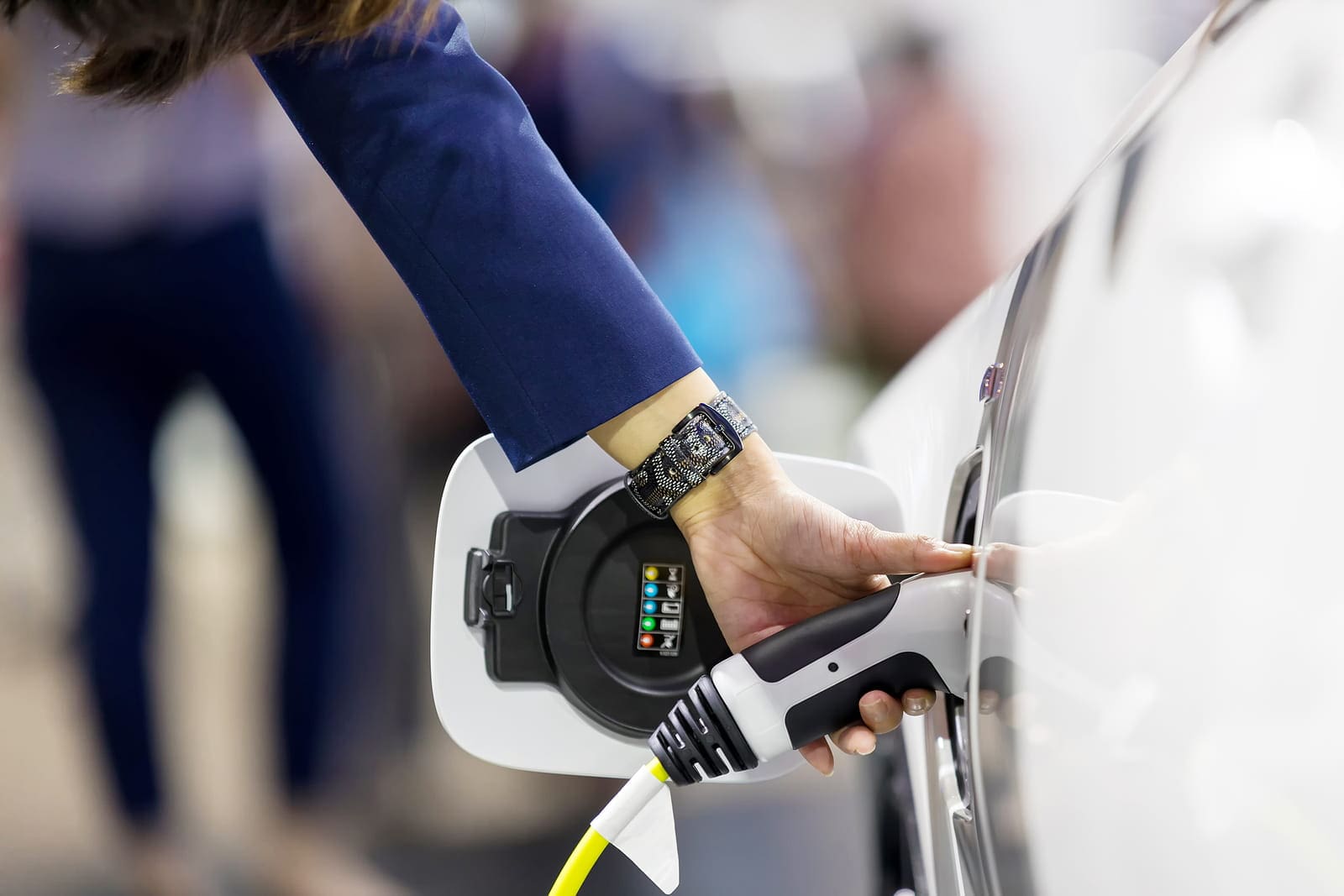
EV Charger Installation in South Florida: What Homeowners and Businesses Need to Know
Electric vehicles are becoming a common sight across South Florida, and with that shift comes an important question for homeowners and business owners alike: how do you safely and reliably charge them? While plugging into a standard outlet might seem simple, proper EV charger installation involves much more than mounting equipment on a wall. Understanding the differences between charger types, electrical requirements, and local regulations can help you avoid costly mistakes and ensure your setup is safe and future-ready.
One of the first decisions people face is choosing between a Level 1 and a Level 2 charger. Level 1 chargers use a standard 120-volt outlet and are typically included with the vehicle. While convenient, they charge very slowly and are often impractical for daily use, especially for drivers with longer commutes. Level 2 chargers operate on 240 volts and provide significantly faster charging, making them the preferred choice for most homeowners and nearly all commercial applications. Choosing the right charger depends on how the vehicle is used, how often it needs charging, and whether the electrical system can support it.
That leads to one of the most overlooked parts of EV charger installation: the electrical panel. Many homes and commercial buildings were not originally designed with EV charging in mind. Before a charger can be installed, a licensed electrician must evaluate the panel’s capacity and perform proper load calculations. This ensures the system can handle the additional demand without overloading circuits or creating safety risks. In some cases, a panel upgrade or additional electrical work may be required to support a Level 2 charger safely. Skipping this step can lead to nuisance breaker trips, damaged equipment, or more serious electrical issues.
Permits and code compliance are another critical consideration in South Florida. EV charger installations must meet local and state electrical codes, which are designed to protect people, property, and the electrical grid. Permits are typically required, and inspections help confirm the work was completed correctly. While it may be tempting to look for shortcuts, unpermitted or improperly installed chargers can create insurance issues, complicate property sales, and expose owners to liability. Working with a licensed electrician who understands local requirements helps ensure the installation is done right the first time.
Residential and commercial EV charger installations also come with different considerations. For homeowners, the focus is often on convenience, charging speed, and future vehicle plans. Placement matters, especially in garages or driveways where exposure to moisture and heat must be addressed. For commercial properties, EV chargers are often part of a larger strategy that includes tenant needs, customer access, usage monitoring, and scalability. Commercial installations may involve multiple chargers, dedicated circuits, and coordination with utility providers to manage demand. Planning ahead can help avoid costly rework as EV adoption continues to grow.
Another factor worth considering is future-proofing. Even if you only need one charger today, demand may increase as households add vehicles or businesses attract more EV-driving customers and employees. Installing infrastructure that allows for expansion can save money and disruption down the road. This is especially important in South Florida, where EV adoption is accelerating and properties with charging capabilities are becoming more attractive.
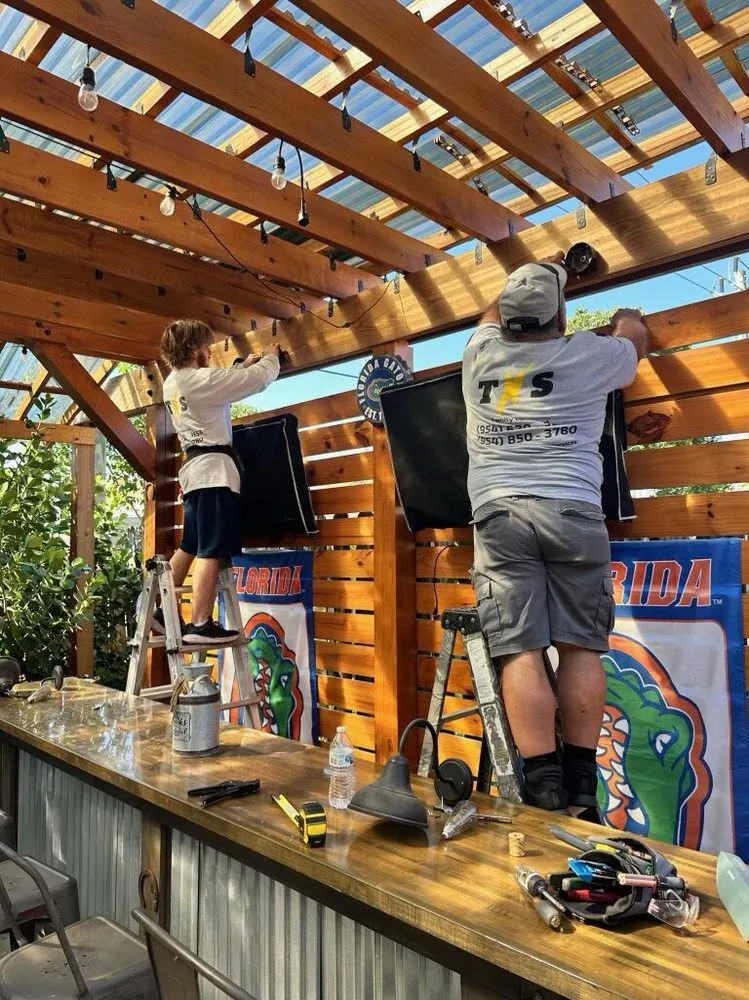
Local experience matters when it comes to EV charger installation. South Florida’s heat, humidity, and storm exposure create conditions that require careful material selection and installation practices. At TNS Electric, we help homeowners and businesses throughout Palm Beach, Broward, and Miami-Dade Counties navigate the entire process, from evaluating electrical capacity to ensuring full code compliance.
EV chargers are more than a convenience. They are an investment in efficiency, property value, and the future of transportation. Whether you are installing a charger at home or planning a commercial setup, working with a qualified electrician helps ensure safety, reliability, and long-term performance. If you are considering an EV charger and want clear answers and professional guidance, request an EV charger installation quote today!.